17
Overview
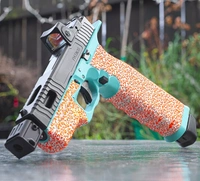
Dive into the world of DIY firearms with the FMDA DD17.2 Assembly Tutorial, a comprehensive guide for building an updated Glock 17 frame. This downloadable PDF is an essential resource for 3D printing and firearms enthusiasts looking to craft a reliable, custom firearm frame with ease.
The DD17.2 frame is a refined version of FMDA’s original DIY Glock design, incorporating user feedback and design improvements for better assembly and durability. It addresses past weaknesses like screw-in rear rails while leveraging quality commercial rail vendors for enhanced build options. Whether you're a seasoned builder or a curious newcomer, this tutorial offers step-by-step guidance to create a frame compatible with G22 uppers.
17 Features
The FMDA DD17.2 frame stands out with its thoughtful updates and user-focused design tweaks. After extensive testing and community feedback, this version eliminates weak points like the screw-in rear rails, making it a more robust and reliable choice for DIY builders.
Key highlights include:
- Improved Dimensions: Adjusted for easier assembly, reducing frustration during the build process.
- Commercial Rail Compatibility: Works seamlessly with rails from trusted vendors like Avesrails.com and Riptiderails.com, so you don’t need to craft your own.
- G22 Upper Compatibility: Expands versatility for users looking to pair with different uppers.
- Optional G5Spring Version: Features a Gen5-style spring setup for the slide latch, offering a simpler and more cost-effective build option (check the Shopping List in the PDF for details).
This design prioritizes practicality, ensuring hobbyists can achieve professional-grade results with minimal hassle.
Difficulty & Build Time
- Skill Level: Intermediate
- Estimated Build Time: 10-15 hours
- Required Experience: Basic knowledge of 3D printing and familiarity with firearm assembly recommended
Hardware and Tools Required
Required Hardware
- Glock 17 frame components (as detailed in the tutorial)
- Compatible rails (available from vendors like Avesrails.com or Riptiderails.com)
- Optional G5Spring setup components (refer to the Shopping List in the PDF)
- Standard Glock 17 or G22 upper assembly for compatibility
Recommended Tools
- 3D printer for frame components
- Screwdrivers and Allen keys for assembly
- Drill or Dremel for minor adjustments (if needed)
- Calipers for precise measurements
- Sandpaper or finishing tools for post-print smoothing
17 Parts
The FMDA DD17.2 Assembly Tutorial PDF provides detailed instructions but does not include STL files for the frame itself. For those seeking to print the frame, you’ll need to source the corresponding DD17.2 STL files separately (not included in this download). The tutorial assumes you have access to the necessary 3D models and focuses on guiding you through the assembly process.
When printing frame components, use high-strength materials like PETG or ABS for durability, as PLA may not withstand the stress of firearm use. Recommended print settings include a layer height of 0.2mm, 100% infill for critical parts, and supports where necessary to ensure structural integrity. Pay attention to post-processing for a snug fit with commercial rails and uppers, as detailed in the guide.
Printer Compatibility & Settings
The DD17.2 frame components (when sourced as STL files) are compatible with most FDM 3D printers, including popular models like the Ender 3, Prusa i3, or Anycubic series, provided they have a sufficient build volume for the frame size. For optimal results, use PETG or ABS filament due to their strength and heat resistance, avoiding weaker materials like PLA for functional firearm parts. Recommended settings include a nozzle temperature of 230-250°C for PETG or ABS, a bed temperature of 80-100°C, and a print speed of 40-60 mm/s to ensure precision and layer adhesion.
Ensure your printer is well-calibrated to avoid dimensional inaccuracies, as the frame requires tight tolerances for proper assembly with Glock uppers and rails. Adding a brim or raft can help with bed adhesion for larger parts. Always follow safety guidelines when printing and assembling firearm components.
Conclusion
The FMDA DD17.2 Assembly Tutorial is a game-changer for DIY firearms enthusiasts, offering a clear path to building an updated, reliable Glock 17 frame with modern design improvements. With compatibility for G22 uppers and support for commercial rails, this guide empowers builders to create a custom firearm with confidence. Download the PDF today at the provided link, source your STL files, and start your next project with a design backed by community feedback and innovation.